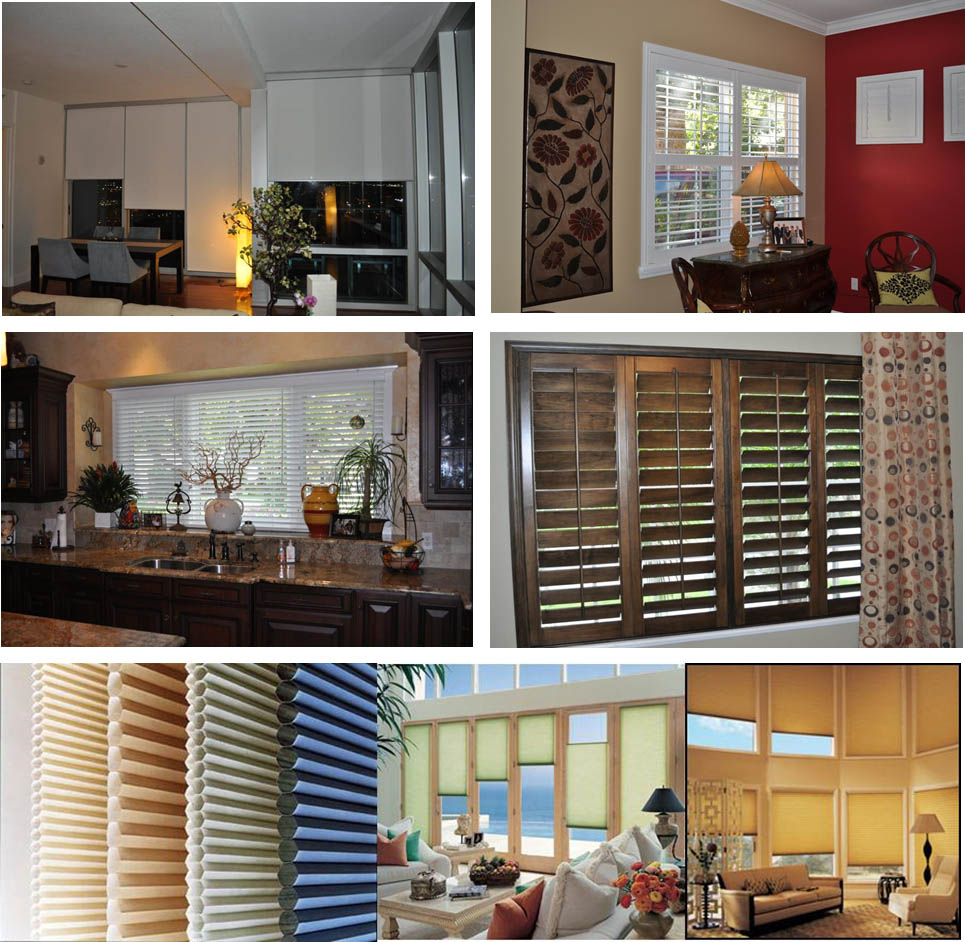





- Refined aesthetics for lasting value with considered interior design and timeless details
- Understanding Design Styles: A Global Perspective
- The Influence of Biophilic Design
- Color Psychology and its Impact on Interior Spaces
- The Importance of Accent Colors
- Space Planning and Furniture Arrangement
- Maximizing Small Spaces
- Transforming Spaces through Customized Interior Solutions
Refined aesthetics for lasting value with considered interior design and timeless details
The pursuit of beautiful and functional living spaces is a timeless human endeavor. Interior design, at its core, is the art and science of enhancing the interior of a building to achieve a healthier and more aesthetically pleasing environment for the people using the space. It’s a multifaceted profession that blends creativity, technical knowledge, and a deep understanding of human behavior. Beyond mere decoration, thoughtful interior design considers ergonomics, accessibility, and the psychological impact of color, light, and spatial arrangement to create environments that truly support and inspire those who inhabit them. A well-designed interior isn’t simply about looks; it’s about improving quality of life.
The value of investing in expert interior design stems from its ability to add lasting value to a property, both functionally and financially. A professionally designed space can enhance a home’s appeal, offering a significant advantage in the real estate market. Moreover, skilled designers possess the knowledge to optimize space utilization, improve flow, and implement solutions that address specific needs and lifestyles. From carefully selected materials to innovative storage solutions, every detail is considered to create a cohesive and harmonious environment. This holistic approach goes far beyond superficial changes, resulting in a space that is both beautiful and enduring. It’s an investment that pays dividends in comfort, convenience, and overall well-being.
Understanding Design Styles: A Global Perspective
Navigating the world of interior design can be overwhelming due to the sheer variety of styles available. Each style reflects a unique aesthetic philosophy, cultural influence, and historical context. Popular styles range from the minimalist simplicity of Scandinavian design, characterized by clean lines, natural materials, and a neutral color palette, to the opulent richness of Victorian interiors, featuring elaborate ornamentation, dark woods, and luxurious fabrics. Transitional design blends traditional and contemporary elements, creating a timeless and sophisticated look, while industrial design embraces raw materials, exposed brick, and a functional aesthetic. Modern design, often confused with contemporary, adheres to a strict aesthetic defined by the early to mid-20th century design movements. Understanding these key styles, and how they can be adapted to individual preferences, is the first step in creating a space that truly reflects one's personality and taste. The key is finding a balance between aesthetic appeal and practical functionality, ensuring the space is both visually pleasing and conducive to daily life.
The Influence of Biophilic Design
A growing trend in interior design is the incorporation of biophilic principles. Biophilic design acknowledges the innate human connection to nature and seeks to integrate natural elements into the built environment. This can be achieved through the use of natural light, ventilation, natural materials like wood and stone, and the inclusion of plants and water features. Studies have shown that incorporating biophilic elements can reduce stress, improve cognitive function, and enhance overall well-being. It's a move away from sterile, artificial environments towards spaces that nurture and support our connection to the natural world. This design approach acknowledges that humans have evolved in natural settings and are inherently happier and healthier when surrounded by natural elements, even in indoor spaces.
| Scandinavian | Minimalism, functionality, natural light, neutral colors |
| Victorian | Opulence, elaborate details, dark woods, rich fabrics |
| Industrial | Raw materials, exposed brick, functional aesthetic |
| Modern | Clean lines, geometric shapes, focus on functionality |
The strategic use of textures and materials is critical in defining the character of a room. A carefully chosen material palette can elevate the overall design and create a sense of harmony and sophistication. It's not just about selecting aesthetically pleasing materials; it’s also about considering their durability, maintenance requirements, and environmental impact. Sustainable materials, such as reclaimed wood and bamboo, are increasingly popular choices for environmentally conscious designers. The layering of different textures – smooth, rough, soft, and hard – adds depth and visual interest to the space, preventing it from feeling flat or monotonous. This complexity contributes to a more inviting and comfortable atmosphere.
Color Psychology and its Impact on Interior Spaces
Color is a powerful tool in interior design, capable of evoking a wide range of emotions and influencing our perceptions of space. Understanding the psychology of color is essential for creating environments that support specific moods and activities. Warm colors, such as red, orange, and yellow, are associated with energy, excitement, and optimism, making them suitable for social spaces like living rooms and dining rooms. Cool colors, such as blue, green, and purple, are associated with calmness, serenity, and relaxation, making them ideal for bedrooms and bathrooms. Neutral colors, such as gray, beige, and white, provide a versatile backdrop that can be complemented with pops of color for visual interest. It’s crucial to consider the interplay of light and color, as different lighting conditions can affect how colors appear. A carefully curated color scheme can transform a space, enhancing its aesthetic appeal and positively impacting the well-being of its occupants.
The Importance of Accent Colors
While a cohesive color palette is essential, the judicious use of accent colors can add personality and visual interest to a room. Accent colors should be used sparingly to draw attention to specific features or create a focal point. They can be introduced through accessories, such as pillows, artwork, or rugs, or through architectural details, such as moldings or doors. A well-chosen accent color can complement the existing color scheme and create a sense of balance and harmony. It can also be used to inject a touch of energy or sophistication into a neutral space. The key is to choose accent colors that resonate with the overall design aesthetic and reflect the homeowner's personal style.
- Consider the natural light in the room when selecting colors.
- Use a color wheel to identify complementary and analogous colors.
- Test paint colors in the room before committing to a full application.
- Don't be afraid to experiment with different color combinations.
Lighting plays a crucial role in interior design, influencing not only the aesthetics of a space but also its functionality and the psychological well-being of its occupants. A well-lit space feels more inviting, spacious, and comfortable. Layered lighting, which combines ambient, task, and accent lighting, is the most effective approach. Ambient lighting provides overall illumination, task lighting focuses on specific activities, and accent lighting highlights architectural features or artwork. Different types of light bulbs, such as LED, incandescent, and fluorescent, offer varying color temperatures and intensities. Smart lighting systems allow for personalized control and energy efficiency. Properly integrated lighting can transform a space, creating a mood and enhancing its overall appeal. It’s an element often overlooked, but its impact is profound.
Space Planning and Furniture Arrangement
Effective space planning is fundamental to successful interior design. It involves carefully analyzing the available space and determining the optimal layout for furniture and fixtures. Consideration must be given to traffic flow, functionality, and aesthetic balance. Creating a floor plan, either by hand or using computer software, can help visualize different layout options. The scale and proportion of furniture should be appropriate for the size of the room. Avoid overcrowding, which can make a space feel cramped and claustrophobic. Open-concept layouts promote a sense of spaciousness and connectivity, while defined spaces create intimacy and functionality. Strategic furniture arrangement can enhance the flow of movement, improve communication, and create a sense of harmony within the space. Prioritizing functionality without sacrificing style is the cornerstone of effective space planning.
Maximizing Small Spaces
Designing for small spaces requires a particularly thoughtful approach. Multipurpose furniture, such as sofa beds and storage ottomans, can maximize space utilization. Vertical storage solutions, such as bookshelves and wall-mounted cabinets, can free up floor space. Mirrors can create the illusion of a larger space by reflecting light. Light colors and minimalist decor can also contribute to a sense of spaciousness. Careful consideration should be given to the scale of furniture, opting for pieces that are proportionally sized for the room. Avoiding clutter is essential for maintaining a sense of order and calm in a small space. Utilizing every inch of available space intelligently and creatively is key to making a small space feel comfortable and functional.
- Measure the space accurately before purchasing furniture.
- Create a floor plan to visualize different layout options.
- Choose furniture that is proportional to the size of the room.
- Utilize vertical storage solutions to maximize space.
- Avoid clutter and keep surfaces clear.
The selection of materials and finishes significantly impacts the longevity and aesthetic appeal of an interior space. Durable materials, such as hardwood flooring and granite countertops, can withstand heavy use and maintain their beauty over time. Sustainable materials, such as bamboo and recycled glass, are environmentally responsible choices that can add value to a property. The finish of a material, such as matte or gloss, can affect its appearance and texture. Consider the overall style of the space when selecting materials and finishes, ensuring they complement each other and create a cohesive look. Investing in high-quality materials and finishes can enhance the value and enjoyment of a space for years to come.
Transforming Spaces through Customized Interior Solutions
The future of interior design leans heavily toward personalization and customized solutions. Homeowners are increasingly seeking spaces that reflect their unique lifestyles and preferences, moving away from generic, cookie-cutter designs. Technology is playing a vital role in this trend, with smart home integration offering unprecedented levels of control and convenience. 3D modeling and virtual reality allow clients to visualize design concepts before implementation, ensuring a greater level of satisfaction. Designers are also embracing sustainable and eco-friendly practices, utilizing recycled materials and energy-efficient technologies. The emphasis is on creating spaces that are not only beautiful and functional but also environmentally responsible and conducive to well-being. This personalized approach requires a collaborative relationship between the designer and the client, fostering open communication and a shared vision for the space. It is about creating a home, not just a house, and tailoring it to the individual’s specific needs and desires.
Consider the case of a family transitioning from a large suburban home to a smaller urban condo. The challenge wasn't simply downsizing furniture, but reimagining their lifestyle within a more compact footprint. A skilled interior designer implemented clever storage solutions, such as built-in shelving and multipurpose furniture, maximizing every available inch. They utilized a neutral color palette and strategically placed mirrors to create a sense of spaciousness. Through careful space planning and a focus on functionality, the condo was transformed into a comfortable and stylish urban retreat, perfectly suited to the family's evolving needs. This exemplifies how thoughtful interior design goes beyond aesthetics, providing practical solutions to enhance everyday life and create a truly personalized living experience.